Which Blockchain? Qualified Trust Service Providers Can’t Ignore This
Part 1 of 3
Blockchain Records Already Matter
Courts in France and China have admitted blockchain evidence. Public registries in Georgia and Estonia rely on it. Even in the private sector, blockchain is used for securities, corporate filings, and as a hedge against inflation through cryptocurrencies like Bitcoin.
The debate is no longer about whether blockchain records matter. They already do. The critical issue is which blockchain can survive judicial review and cross‑examination?
Why Most Chains Fall Short
For years, developers had only one way to create assets: smart contracts on EVM‑based chains using Solidity. That reliance was not their fault. It was the only option available.
But Solidity is still a beta‑level language. Its vulnerabilities have caused some of the largest hacks in crypto history. Worse, when Solidity is patched, assets created under old contracts remain exposed. In court, that breaks the chain of custody and undermines admissibility.
Raptoreum’s Breakthrough
Raptoreum changes this. Assets are created directly on the blockchain itself, with timestamps built in from the start. That means the record is part of the chain, not something added later by fragile code or external databases.
Alongside this, Raptoreum uses IPFS (InterPlanetary File System) to store files such as audio, art, or metadata. IPFS works like a decentralized filing cabinet: instead of keeping one copy of a file on a single server, it spreads identical copies across many computers worldwide. Each file is given a unique fingerprint, so anyone can check that the file they see is the same one originally stored.
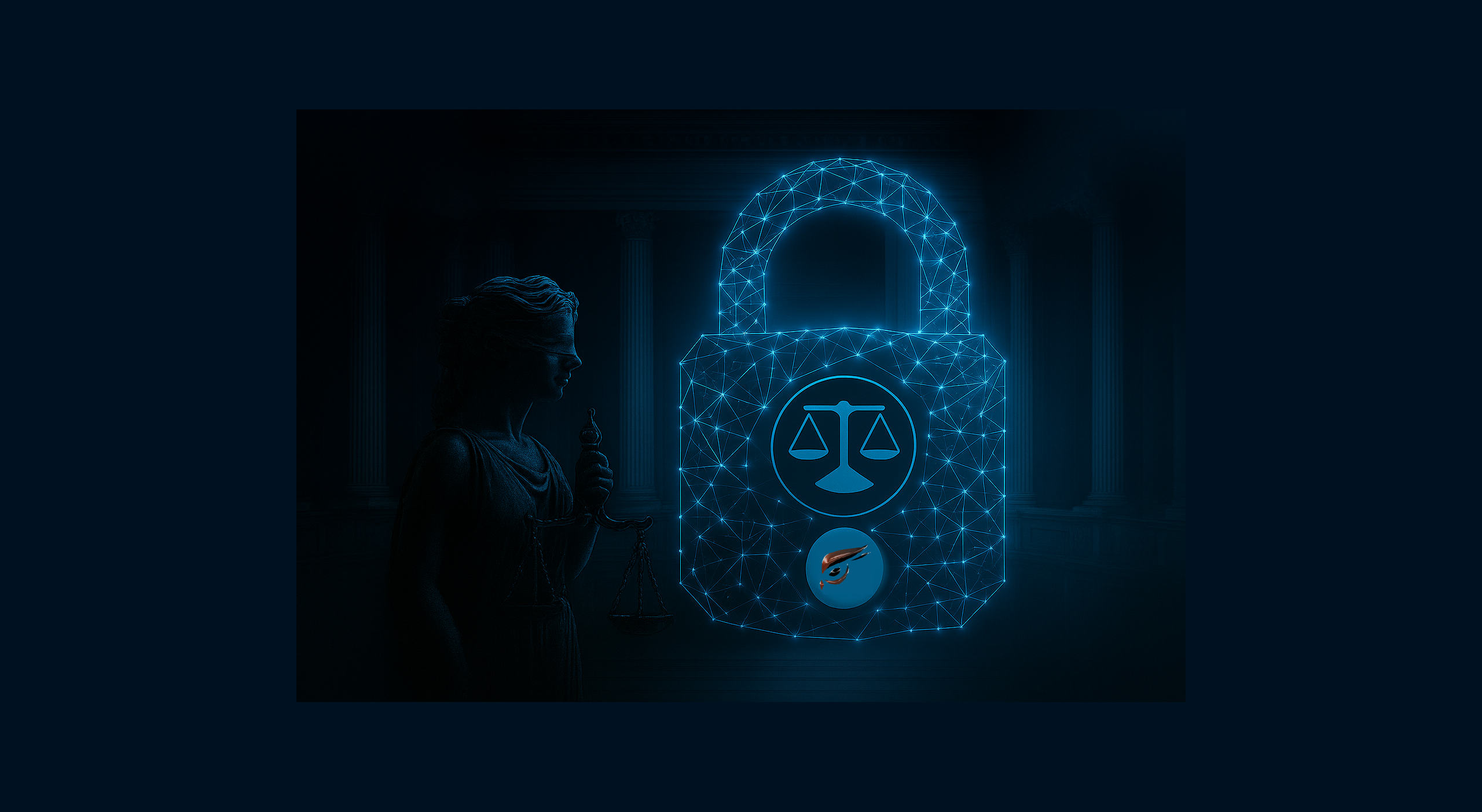
The combination of blockchain records and IPFS storage ensures that evidence cannot be erased, altered, or hidden. The blockchain proves when and by whom the record was created, while IPFS guarantees the attached files remain intact and verifiable. Raptoreum’s assets are, at their core, double‑locked.
RaptorLockIP: Removing Friction
RaptorLockIP.com takes this breakthrough and makes it usable for everyone. Assets are managed on RaptorLockIP.com, eliminating the need for Raptoreum’sCore wallet.
Users can pay in their local currency through Stripe instead of RTM tokens. The cost is kept very low—just $5 per asset. This reduces friction and makes the process accessible to anyone. An added benefit is that every Stripe receipt becomes part of the evidence trail, adding another verifiable artifact to the bundle.
Blockchain becomes the invisible foundation, like the VISA and Mastercard networks, that powers the entire show without being seen.
Why QTS Providers Are Central
Your seals, signatures, and timestamps are the bridge between blockchain records and EU admissibility. By asking which blockchain and aligning with systems that meet the full evidentiary standard, you ensure courts receive evidence that meets regulatory requirements and withstands challenge.
The Evidentiary Edge
Blockchain records are already in the courtroom. The real test is whether they survive when challenged. QTS providers who ask which blockchain will be the ones judges trust.
Coming Next (Part 2 of 3)
We found clarity in EU law. QTS providers already hold the mandate—but mandates may not survive cross‑examination. POA + RaptorLockIP add the fortification layer courts are beginning to demand: reproducibility, custody, and durability. Survivability is no longer optional. It is becoming precedent.