
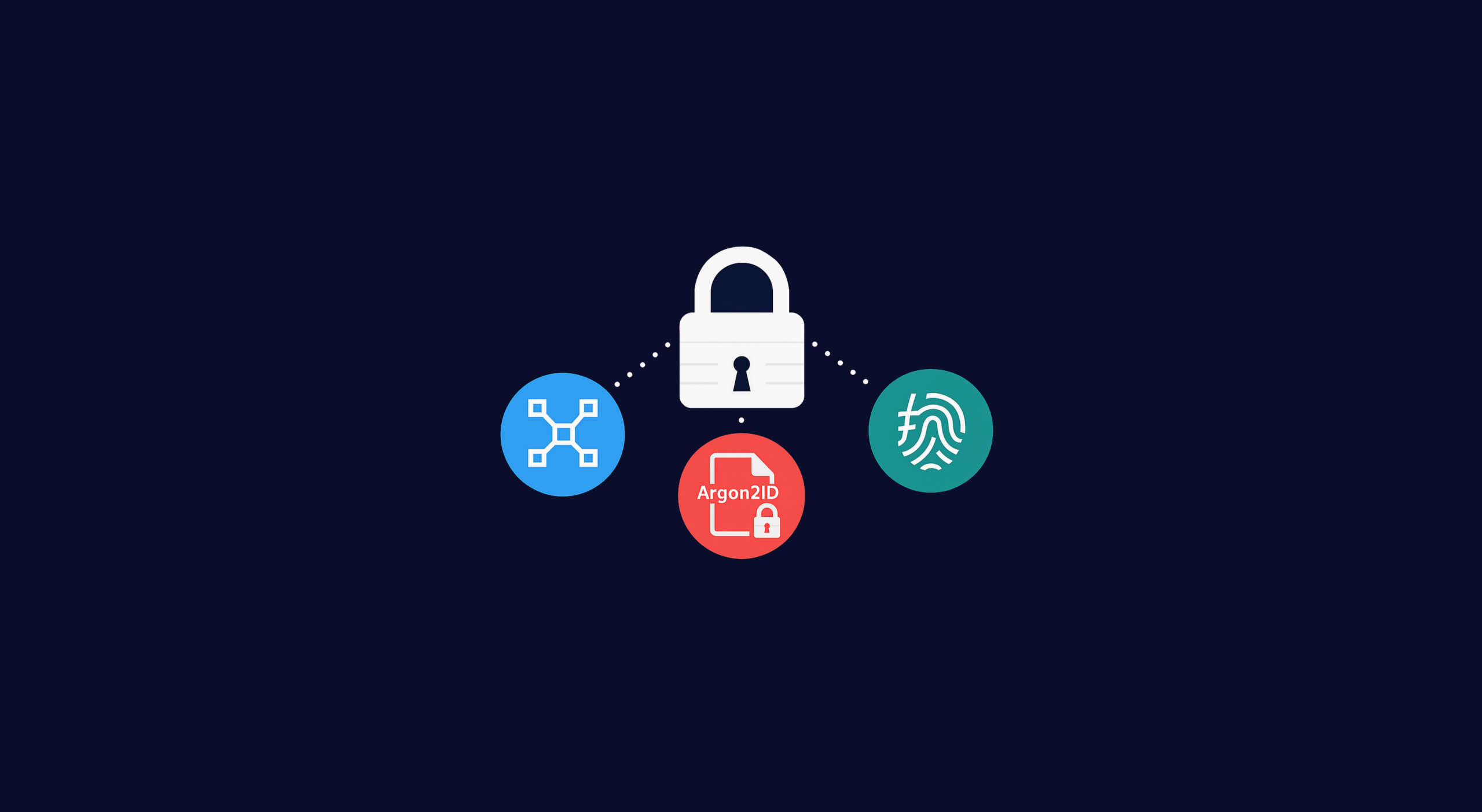
Raptoreum’s Intellectual Property Evidence Stack (IPES)
Part 4 of 6
Raptoreum’s Intellectual Property Protection System (IPPS) doesn’t rely on a single safeguard. Instead, it implements three independent “locks,” each securing a different aspect of your work. This layered approach ensures that even if one mechanism were challenged, the others continue to provide evidentiary strength.
Lock 1: Blockchain Anchor
The first lock is a blockchain timestamp: an immutable record on the Raptoreum blockchain that proves your work existed at a specific moment in time. Unlike traditional timestamps that can be altered or deleted, blockchain entries are permanent, transparent, and independently verifiable. This serves as a digital postmark with cryptographic certainty.
Lock 2: IPFS Content Addressing
The second lock uses the InterPlanetary File System (IPFS), where files are addressed by their content rather than location. Each file receives a unique cryptographic hash derived from its contents. Any alteration—even a single pixel or character—produces a new hash, making tampering immediately visible. This ensures the integrity of what you created.
Lock 3: Quantum-Resistant Encryption PDF
The third lock is a quantum‑resistant encrypted PDF that functions as a sealed container. It is designed to withstand attacks from both current and future computing power. This lock controls who can access your work, preserving confidentiality while still providing verifiable proof of authorship.
Together, these three locks provide defense‑in‑depth:
- Blockchain anchor establishes when your work existed.
- IPFS addressing secures what your work contained.
- Quantum‑resistant encryption governs who can access it.
This system is designed to meet the reliability requirements of evidentiary standards such as U.S. Federal Rules of Evidence 901(b)(9), which recognizes authentication through reliable digital processes. By distributing security across multiple independent mechanisms, IPPS avoids a single point of failure and creates a reproducible, legally defensible chain of proof.
This evidence stack provides the technical foundation for higher-level protection and intent-based systems, but does not itself define how or when a work may be used.
In our next post, we’ll introduce the “Proof of Authorship” (POA), a modern evidentiary framework that builds upon these three locks to create a truly future-proof system of creative protection.